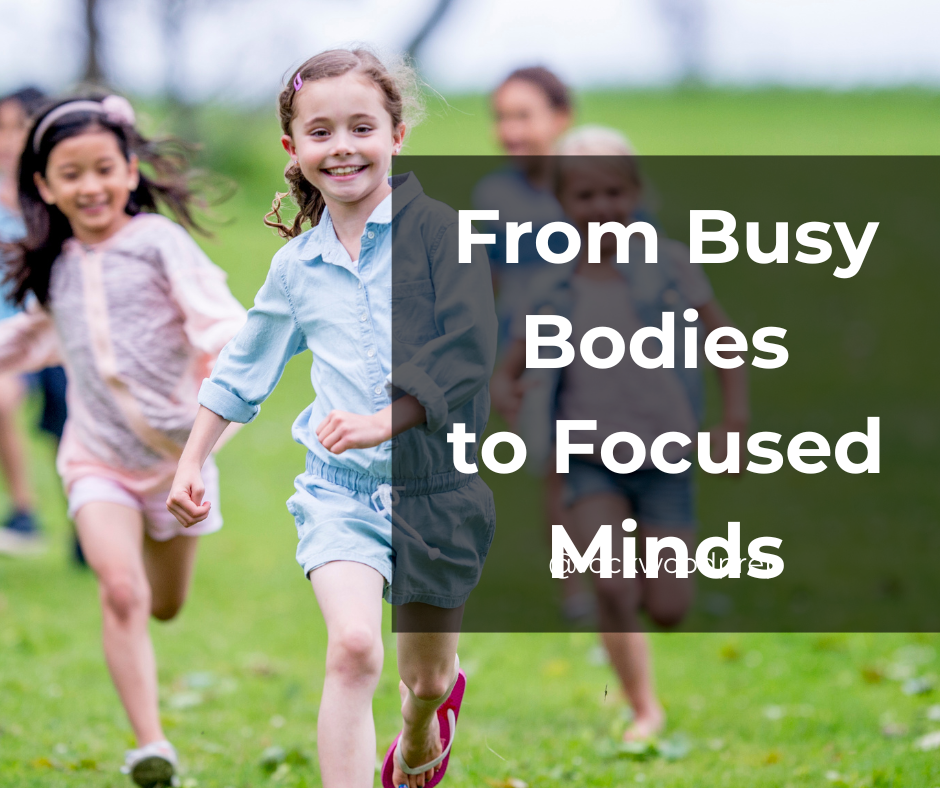
If your child is always on the move, or unable to slow their busy minds and bodies, it could be ADHD, ADD, sensory differences, or simply struggles with self-regulation. This article explores ways to help your child feel calm and focused with sensory activities so they can be successful at home and at school.
Not all children who are energetic or impulsive have ADHD or ADD. Some are sensory seekers who crave movement and stimulation, while others become overwhelmed by everyday experiences and need help slowing down. It’s important for parents to know that sensory activities can support children whether there is a formal diagnosis or not.
Self-regulation and Sensory Activities
Sensory input helps children develop self-regulation skills.
Self-regulation is the ability to recognize what our bodies need and respond appropriately.
This means that the adults around them need to learn when their child needs movement before homework, a quiet space after school, or something to keep their hands busy during a lesson.
Some sensory activities are calming while others are alerting. Calming activities help lower stress and organize the nervous system. Alerting activities provide the stimulation some children need before they can concentrate.
TIP: It may seem surprising, but many hyperactive children need movement before they are ready to slow down.
Movement and Vestibular Activities
Movement is often one of the most powerful tools for children with ADHD. Before asking your child to sit through dinner, complete homework, or focus during a lesson, make certain that they have had a chance to move their body.
Swinging, jumping, dancing, obstacle courses, animal walks, yoga, and short movement breaks can provide valuable sensory input. Even five minutes of purposeful movement may help some children transition more successfully to quieter activities.
Heavy Work and Proprioceptive Activities
Heavy work activities provide deep pressure and muscle input that many children find calming and organizing. Children frequently seek this type of input naturally when they crash into couch cushions, carry heavy backpacks, or ask for tight hugs.
Helpful activities might include carrying groceries, helping with yard work, pushing a laundry basket across the floor, climbing at the playground, or building blanket forts. Heavy work is often especially beneficial before school, homework time, or bedtime.
Tactile Sensory Activities
Children learn about their world through touch. Sensory bins filled with rice, kinetic sand, water beads, or dried beans can provide calming tactile experiences. Finger painting, play dough, and simple crafts offer additional opportunities for sensory exploration while encouraging creativity and fine motor skills.
Some children find tactile activities soothing, while others may initially avoid them. Allow your child to explore at their own pace without pressure.
Oral Sensory Activities
Many parents notice that their child chews on shirt sleeves, pencil erasers, or hoodie strings throughout the day. Oral sensory input can be regulating for some children.
Crunchy foods like carrots or apples, drinking water through a straw, chewing sugar-free gum when age appropriate, or enjoying thicker smoothies may provide helpful sensory experiences that support focus and organization.
Visual, Auditory, and Mindfulness Activities
Our senses are constantly working together. Dimming the lights, listening to calming music, or spending a few quiet minutes practicing deep breathing can help children reset after busy days.
Mindfulness activities do not need to be complicated. Encourage your child to notice five things they can see, four things they can touch, or three things they can hear. This simple sensory exercise can help bring busy minds back to the present moment.
A Few Thoughts About a Sensory Diet
You may hear educators or therapists talk about a “sensory diet.” Despite its name, it has nothing to do with food.
A sensory diet is simply a collection of sensory activities thoughtfully scheduled throughout the day to help children remain regulated. For one child, that may include jumping before math and quiet coloring before bedtime. For another, it may mean frequent movement breaks throughout the day.
Helping Your Child Discover What Works
Remember that every child is different. A calming activity for one child may feel stimulating for another. Pay attention to when your child struggles most. Are they overwhelmed after school? Restless during homework? Extra energetic before bedtime?
Sensory activities for children with ADHD and hyperactivity work best when they are individualized and consistent. Think of them as tools rather than rewards.
At Rockwood Prep Academy, we understand that neurodivergent children learn differently and thrive when their unique needs are supported. Helping children develop self-regulation skills builds confidence both inside and outside the classroom.
If your child struggles with emotional regulation, impulsivity, or behavioral challenges, ABA therapy may provide additional support. Our partners at ABA Connections work with children and families to build meaningful skills that promote success at home, school, and in the community.
NOTE: Research supports the use of behavioral interventions and individualized supports for children with ADHD to improve functioning and self-management skills. The American Academy of Pediatrics recommends behavioral interventions as an important component of ADHD treatment and support.