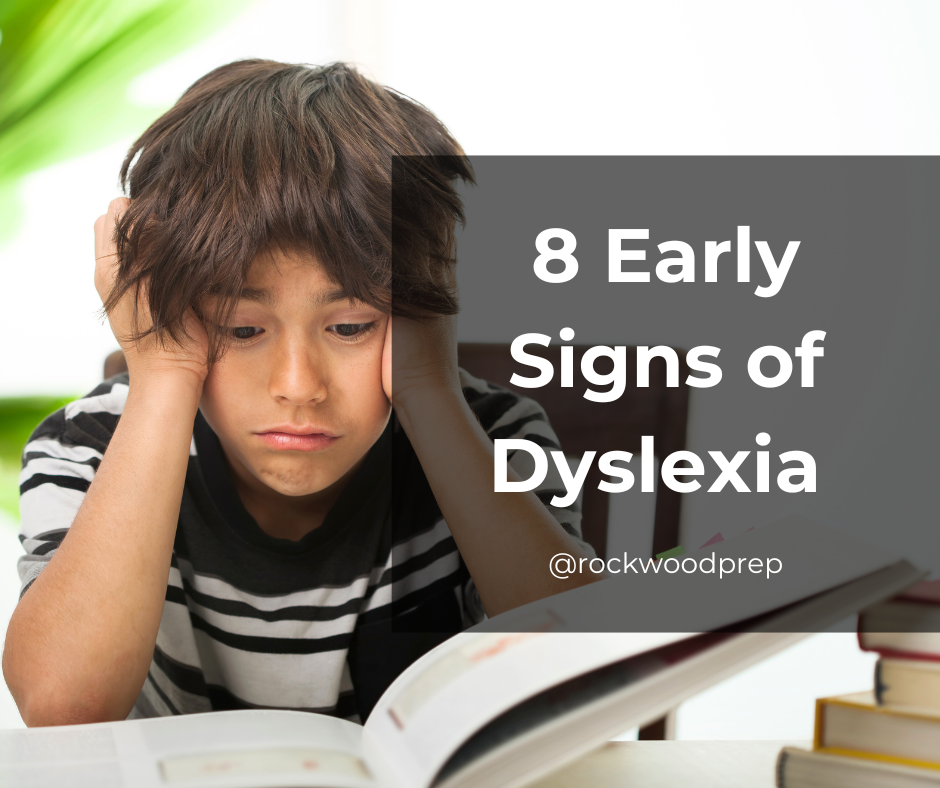
Dyslexia is a commonly known learning difference, but it’s missed all the time, especially in kids who are bright, curious, and talkative. Some kids with dyslexia work so hard to keep up that they their struggles are hidden for years.
Knowing how to spot the signs early is more than important, it’s vital to the happiness and success of children. Parents and teachers who know what to look for can step in sooner, which saves kids a lot of frustration and protects their self-confidence.
Here’s the thing: dyslexia has nothing to do with intelligence or effort. It’s just a different way the brain processes language, especially written words. If you’re wondering what to watch out for, here are eight of the most common signs and why they happen, according to research.
1. Written Work Takes Longer Than Expected
One of the first things you might notice in a child with dyslexia is that written assignments seem to take forever to complete. A child might totally understand the material, but getting those ideas onto paper is another story.
Look for kids who spend too much time writing a few sentences, get tired while writing, or do everything they can to dodge written work.
Researchers tell us that people with dyslexia process language more slowly when they have to turn thoughts into writing, even if they understand what’s going on in class.
2. Trouble Organizing Written Work
A lot of kids with dyslexia know exactly what they want to say, but organizing their ideas on paper is tough. You might see messy paragraphs, trouble getting started, or ideas that seem out of order. This usually ties back to executive functioning (the brain’s way of handling planning and organization).
Writing pulls together a bunch of skills at once: brainstorming, spelling, grammar, and structure. That’s a lot for working memory to handle, especially for kids with dyslexia.
3. Processing Information Differently
Dyslexia is really about how the brain processes language. Kids might need extra time to answer questions, ask you to repeat things, or seem distracted when they’re just taking it all in.
Brain scans show that kids with dyslexia use different neural pathways for reading and language than other kids. Remember that dyslexia is a brain thing not a motivation thing.
4. Mixing Up Words or Instructions
If you notice kids mixing up similar-sounding words, getting lost in multi-step instructions, or confusing words that look alike, that’s another sign of dyslexia. It’s not because they’re not paying attention. Dyslexia messes with the way the brain decodes and recalls language.
Fast or verbal instructions just don’t always stick right away. There’s a strong link between dyslexia and trouble with phonological processing… that’s basically how the brain handles the sounds in words.
5. Difficulty With Spelling
Spelling trouble is probably the most well-known sign. Some kids just never seem to remember how to spell a word, even after lots of practice. You’ll see words spelled in different ways in the same assignment or made-up spellings. Kids with dyslexia have a hard time remembering basic patterns because sound-to-letter connections are difficult, so spelling takes a lot more brainpower.
Research says spelling issues go together with dyslexia. They’re not a separate problem.
6. Avoid Reading and Writing
For some kids, reading or writing just feels exhausting. Even kids who love stories or learning might find the act of reading tough. Watch for kids who avoid reading out loud, guess at words instead of sounding them out, or stumble when trying to read smoothly.
Experts say dyslexia mainly affects how well and how quickly kids recognize words, and that hits their confidence and stamina hard.
7. Weak Phonological Awareness
Phonological awareness is basically, noticing and working with the sounds in spoken words. A weakness here is one of the clearest signs of dyslexia. Kids with dyslexia often have a hard time with rhyming, breaking words into syllables, or picking out individual sounds. Phonological challenges show up early, even before kids start reading, and it’s a solid clue for parents and teachers to pay attention.
8. Difficulty Remembering Verbal Information or Instructions
Many children with dyslexia struggle with something called verbal working memory, making it hard to retain spoken information long enough to act on it.
For children this may look like forgetting multi-step directions, losing track of verbal explanations, and needing written or visual supports.
Research shows that working memory challenges are common in dyslexia and can significantly affect classroom performance if accommodations are not provided.
Dyslexia does not define a child’s potential. Many individuals with dyslexia excel in creativity, problem-solving, big-picture thinking, and innovation.
Early identification, appropriate instruction, and supportive environments can make a profound difference academically and emotionally.
When children understand how they learn and are supported in the right way, confidence and skills grow.
Listed below are additional resources for parents with struggling readers:
Is it Autism, ADHD, or Dyslexia?
Dyslexia in the Classroom: Latest Reading Research and Simple Strategies that Help
Free Resources for Children with Dyslexia and Learning Disabilities: A Parent’s Guide