
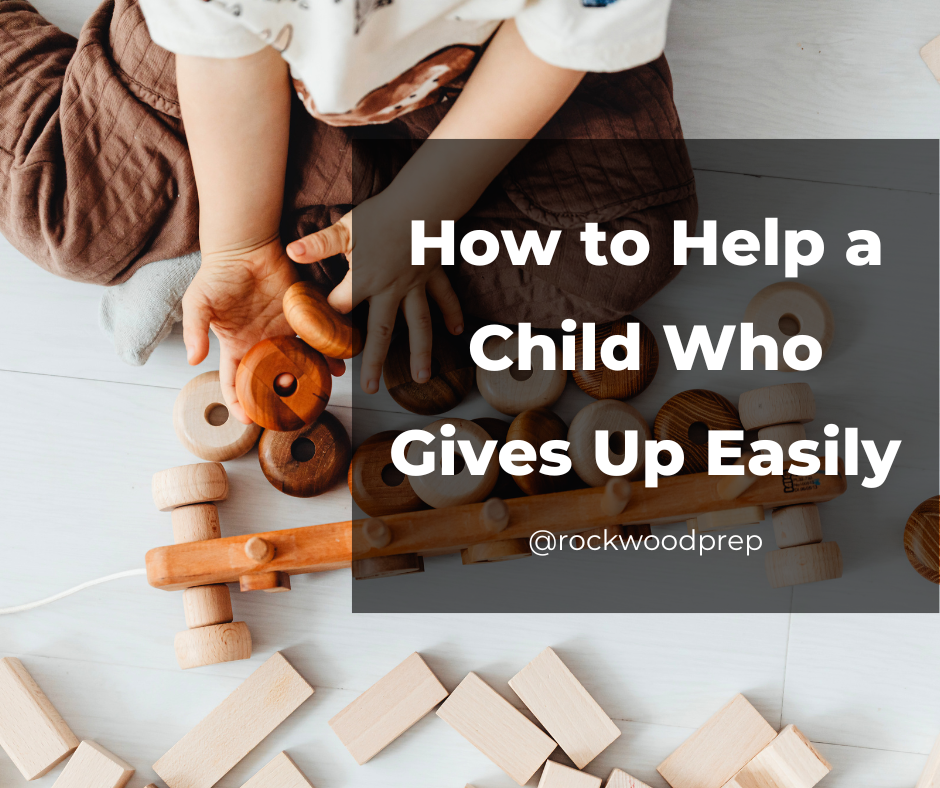
Kids who give up too easily aren’t lazy or unmotivated. If dig a little deeper you would see that they feel overwhelmed, discouraged, or are afraid of failing and disappointing you.
For neurodivergent children, this experience is even heavier. When learning differences, sensory challenges, anxiety, or past struggles are part of the picture, giving up can feel like self-protection not defiance.
Here’s the exciting part. Resilience, grit, and determination can be taught, and it doesn’t require pushing kids harder.
What Kept Thomas Edison Going After 1,000 Failures?
Thomas Edison famously failed over 1,000 times before successfully inventing the light bulb. When asked about it, he didn’t call all those attempts failures. He reframed them as discoveries. Each failure taught him something new that brought him closer to a solution. His confidence didn’t come from constant success. It came from finding meaning in the struggle, not just the finish line.
So, the real question for parents is this: Can we help our kids experience all effort the same way Edison did without tying their worth to success?
TAKEAWAY: Reaching a goal is more about finding satisfaction in the process than the outcome. Let that sink in for a moment.
When kids learn to value effort, curiosity, and persistence, confidence begins to grow naturally even when results are imperfect.
Life May Be Too Easy and Comfortable for Kids
These days, everything’s instant. Answers are a click away. Distractions never end. If you’re uncomfortable, you can usually just opt out.
Convenience isn’t bad, but it does make things tricky because kids aren’t getting many chances to practice handling frustration. For a lot of kids, especially neurodivergent ones, any difficulty can feel like too much. When something doesn’t come naturally, it’s easy for shame, anxiety, or a total emotional shutdown to take over.
Raising kids who bounce back means you have to create safe ways for them to struggle. They need to learn that everyone fails sometimes, and what you do next is what really matters.
Failure Can Be a Gift
Failure is often framed as something to avoid, but failure is one of the most powerful teachers we have.
For kids who give up quickly, failure feels personal. Their inner voice says, “I failed, so I must be bad at this.” Our job is to help them flip that script and reframe failure as:
- Feedback, not judgment
- A step in learning, not the end of the road
- Proof that they tried something challenging
For neurodivergent children, this type of thinking is critical. Many have experienced repeated setbacks in traditional learning environments, which can erode confidence over time.
When we respond calmly to mistakes and help kids shift to problem-solving instead of rescuing them, we teach that failure doesn’t mean a hard stop. Instead, failure is an opportunity to adjust, again and again.
The Joy of Work and Why It Matters
Research consistently shows that people experience deeper satisfaction when they engage in meaningful effort rather than passive reward. In fact, a multigenerational Harvard study evaluated the backgrounds of over 700 “high achievers” and found a strong connection between doing household chores and later professional success.
This research applies to kids, too.
When children build something, practice a skill, or solve a problem they experience earned confidence… the kind that sticks.
This is even more important for neurodivergent kids. They might need tasks broken into smaller pieces, more time, or hands-on help. When effort feels doable, kids start to associate work with pride, not fear.
The Power of a Positive (but Realistic) Attitude
Fake positivity doesn’t help anyone, but validation does. Skip the “you’ll be fine” or “just try harder” lines. Instead use these confidence-boosting statements:
“This is hard and you’re still giving it your best.”
“I can see you’re frustrated. I know you can figure this out!”
“What part feels toughest right now?”
For neurodivergent kids, emotional validation helps regulate the nervous system first which is required before learning or problem-solving can happen.
A positive attitude isn’t about pretending things are easy. It’s about believing that effort is worthwhile even when the outcome is uncertain.
Building Enough Confidence to Take Risks
Confidence doesn’t show up before you try. It comes because you try. Kids who give up easily often dodge risk because failure feels scary. To help them build real confidence, try these four things:
1. Treat mistakes as normal
2. Cheer effort, not just success
3. Show them that your trying new things too
4. Talk openly about your own struggles
For neurodivergent children, confidence grows when they know what’s expected, have ongoing support, and get measured by their own progress, not other kids. Small wins count, so does noticing growth that others might miss.
Why Winning Too Much Can Destroy Grit
When kids win too often especially without effort, they start to avoid challenges that threaten success, worry about failing (Why even try if I’m going to fail?), and struggle when things get harder.
DEFINITION OF GRIT: Having grit means you possess passion and are willing to persevere to reach long-term goals. It means having courage, resolve, and a strong work ethic when faced with obstacles and staying committed to your goal by pushing forward through challenges rather than giving up.
The hard truth is that resilience isn’t built by constant success and wins. It’s built by working through difficulty with support and guidance.
So, listen up parents, kids need to experience losing. They need to keep trying while making adjustments so they can enjoy the feeling of winning because they persevered.
That’s how grit is formed.
Supporting Neurodivergent Kids Through Failure
Neurodivergent children often need:
- Explicit resilience training
- Predictable routines during challenge
- Adults who stay calm when emotions run high
- And skill-building instead of punishment when things go wrong
Helping kids face failure safely builds confidence far beyond academics. It prepares them for life.
At Rockwood Prep in San Tan Valley, Arizona, we work closely with families to help children develop emotional regulation, problem-solving skills, confidence through supported challenges, and a belief that they can do hard things!
If your child gives up easily, feels defeated by challenges, or struggles with confidence, especially if they are neurodivergent, don’t give up on them.
With the right support, kids can learn resilience, perseverance, and self-belief at their own pace, in ways that honor how they learn and experience the world.
Call Rockwood Prep today at 480-530-0886 for a free consultation to talk about how we can help your child face challenges, learn from failure, and grow into a confident, capable learner.

